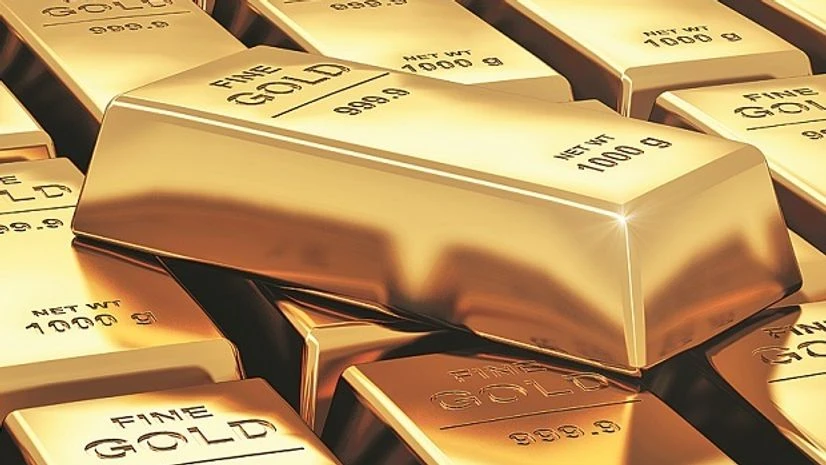
The gold industry has transformed from a traditional commodity market into a sophisticated ecosystem shaped by technology, global finance, consumer behavior, and international policy. Entrepreneurs exploring opportunities within the gold business encounter a landscape rich with innovation, complexity, and long-term potential. Whether operating in investment markets, refining, retail, or advanced applications, understanding the deeper layers of this sector is essential for building a sustainable and competitive venture.
In the United States, the gold business intersects with multiple industries such as mining, fintech, luxury goods, advanced manufacturing, and even national security. This creates a diverse environment where strategic insight and operational precision become critical success factors.
Understanding the Core Structure of the Gold Industry
Gold flows through a structured and internationally recognized value chain. Each stage carries its own regulatory requirements, profit models, technologies, and operational risks. Entrepreneurs who grasp this interconnected system position themselves to identify gaps, optimize efficiency, and build resilient businesses.
Key Stages of the Gold Value Chain
- Exploration and mining involving geological assessments, extraction technologies, environmental compliance, and heavy capital investment
- Refining and purification focused on turning raw material into investment grade or industrial-grade gold
- Bullion production including bars, rounds, and specialized minted products
- Distribution and wholesale to retailers, exchanges, jewelers, and private investors
- Retail and investment channels such as gold dealers, pawn providers, digital marketplaces, and exchange-traded products
- Recycling and scrap recovery which play a major role in modern supply
- Industrial utilization including electronics, medical devices, aerospace, and renewable technologies
This ecosystem supports thousands of businesses and millions of jobs, making gold one of the most mature and stable global industries.
Market Forces That Shape Modern Gold Commerce
Unlike many commodities, gold holds a dual identity as both a raw material and a financial asset. Its value is influenced by macroeconomic trends, investment sentiment, and geopolitical conditions.
Economic Drivers Impacting Gold Values and Business Performance
Monetary policy and interest rates
When interest rates fall, investors often turn to precious metals to protect capital, boosting demand for physical and digital gold products.
Inflation and currency fluctuations
Gold historically acts as a hedge against inflation, increasing consumer interest during periods of financial uncertainty.
Global economic stability
Recessions, market volatility, and geopolitical conflicts typically lead to higher gold investment activity.
Supply limitations
Mining output cannot rapidly scale in response to price increases. This supply rigidity helps maintain long-term stability for businesses operating in the sector.
Technological adoption
Digital trading, blockchain validation, and automated logistics are redefining how the gold trade functions, allowing companies to scale more efficiently than ever.
Understanding these forces allows businesses to forecast trends, plan inventory, and craft strategies that reflect real market conditions.
Strategic Opportunities Within the Gold Sector
The industry is full of specialized niches. High performing companies focus on precision, compliance, consumer trust, and technological integration. Several segments offer strong margins and long-term growth potential.
Investment-Grade Gold Dealerships
Dealers that provide coins, bars, bullion, and secure storage options experience consistent customer demand. High performing dealerships typically:
- Build trust through transparent pricing
- Offer insured shipping and authenticated products
- Maintain strong relationships with refineries and wholesalers
- Provide educational resources for long-term investors
- Utilize digital platforms to reach national audiences
Gold Recycling and Refining
Recycled gold represents a major portion of global supply. This niche is increasingly attractive due to sustainability incentives and the rising value of scrap materials.
Successful refiners:
- Implement advanced testing systems like XRF and fire assay
- Maintain strict environmental and safety compliance
- Build partnerships with jewelers, pawn operators, and industrial scrap suppliers
Industrial Gold Solutions
Gold plays a vital role in high-tech manufacturing. Businesses specializing in industrial applications serve sectors such as:
- Semiconductor production
- Aerospace engineering
- Medical device manufacturing
- Renewable energy systems
These markets value purity, supply reliability, and technical customization, creating opportunities for long-term contracts and specialized product development.
Luxury and Jewelry Markets
The US jewelry market remains one of the highest in global spending. Jewelry businesses thrive by:
- Offering custom craftsmanship
- Integrating modern designs and ethically sourced materials
- Leveraging online retail channels
- Building strong brand identities based on quality and trust
Digital and Tokenized Gold Platforms
Technological advancements now allow fractional ownership, real-time trading, and blockchain-backed security.
Digital platforms can expand customer access and reduce operational overhead with features like:
- 24 hour trading
- Mobile investment apps
- Instant liquidity
- Secure gold-backed tokens
- Automated compliance tools
Entrepreneurs adopting these technologies tap into a new generation of investors seeking convenience and transparency.
Regulatory And Compliance Foundations in the United States
Any business in the gold industry must navigate a well-defined regulatory framework. Compliance protects both the entrepreneur and the customer while supporting long-term operational stability.
Core Compliance Areas
Anti Money Laundering procedures
Gold dealers and refiners must maintain AML programs, file reports, and document high value transactions.
Know Your Customer verification
Identity checks and recordkeeping procedures are essential for regulatory compliance and fraud prevention.
Consumer protection standards
Clear pricing, accurate product descriptions, documented purity, and fair return policies build trust and reduce legal risks.
Environmental regulation for refiners and mining operations
Refining facilities must follow strict emissions and waste management rules.
Licensing requirements
Depending on the business model, state and federal licensing may be required for buying, selling, or shipping precious metals.
Companies that prioritize compliance early enjoy smoother scaling and stronger brand credibility.
Operational Excellence and Efficiency in a Gold Based Business
Sustaining long term growth depends on mastering the internal processes that drive accuracy, security, and customer satisfaction.
Building a Secure and Efficient Supply Chain
- Develop multiple supplier relationships to avoid disruptions
- Use tamper proof packaging and insured carriers
- Maintain real time inventory management
- Verify authenticity with advanced testing technology
- Document all transactions to meet regulatory standards
Profit Margin Optimization
Profitability hinges on sourcing, pricing, and operational discipline. High margin gold businesses typically:
- Buy in volume to reduce cost per unit
- Offer premium services like storage or custom minting
- Maintain diversified product lines
- Focus on customer retention rather than high churn sales
- Reduce overhead with digital automation
Leveraging Technology for Competitive Advantage
Modern tools reshape how companies operate, helping achieve accuracy and scalability.
Advanced systems include:
- AI driven pricing engines
- Blockchain based asset tracking
- Smart logistics integrations with carriers
- Digital storefronts optimized for mobile and search visibility
- Automated compliance software
Technology lowers risk while expanding operational capability.
Customer Trust and Brand Building in the Gold Market
Because gold purchases involve high value transactions, trust is the most important currency in the market. Winning customer confidence leads to higher conversion rates, repeat purchases, and referral growth.
Principles of Building a Strong Brand
- Communicate transparently about pricing and purity
- Provide clear educational materials
- Showcase industry certifications and audit processes
- Maintain consistent communication
- Offer responsive customer support
- Secure customer data with high grade encryption
Brands that demonstrate integrity and knowledge become long term industry leaders.
Long Term Outlook For the Gold Sector
The gold industry continues to evolve through global economic shifts, demographic changes, and technological advancement. Over the next decade, several major trends will influence business opportunities:
- Growing demand for safe haven investments amid economic uncertainty
- Increased adoption of digital and tokenized gold systems
- Expanding use of precision gold materials in advanced technology industries
- Rising importance of sustainability and recycled gold
- Strong consumer appetite for luxury jewelry and customized craftsmanship
Businesses that align with these trends will be well positioned to grow sustainably in a competitive economy.
FAQ
How profitable is a gold business in the United States
Profitability varies by segment, but most gold related businesses maintain steady demand due to gold’s status as a store of value. Margins improve through efficient sourcing, strong supplier relationships, and value added services like custom minting or secure storage.
What is the most reliable way to authenticate gold products
Professional businesses rely on XRF machines, fire assay testing, density analysis, and precision scales. A combination of these methods ensures accurate evaluation while reducing the risk of counterfeit products.
Is gold recycling becoming more important in the industry
Yes. Recycled gold now contributes a significant share of the global supply. The rise of sustainability initiatives, increased scrap availability, and better refining technology make recycling an important growth sector.
What type of insurance does a gold based business need
Most businesses require coverage for inventory, shipping, employee handling, theft protection, and liability. Specialized policies designed for precious metals offer broader protection than standard commercial insurance.
Do digital gold platforms replace physical investing
Digital platforms expand access and convenience, but they do not eliminate the market for physical gold. Many investors prefer holding tangible assets while others appreciate the liquidity of digital products. Both sectors continue to grow in parallel.
If you’d like, I can also create a SEO outline, content brief, or topic cluster around the same niche.
