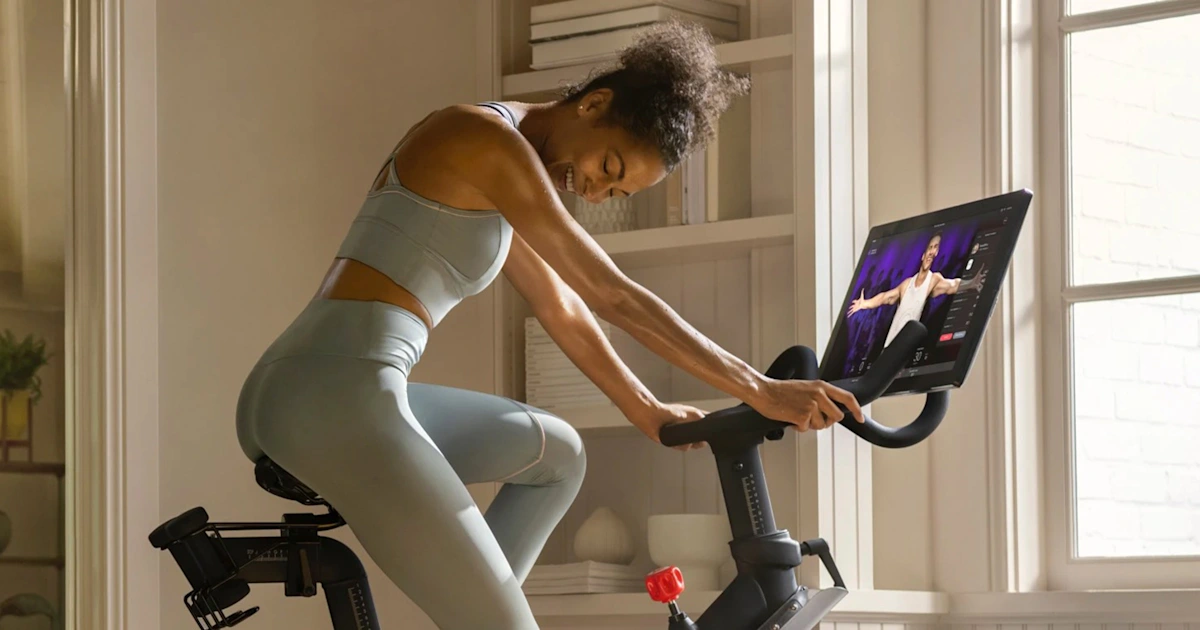
Indoor cycling is one of the most versatile forms of exercise, offering structured sessions that cater to a wide range of fitness levels. While many think of RPM as an intense workout for seasoned riders, it can be safely adapted for diverse groups including beginners, seniors, pregnant women, and those undergoing rehabilitation. By adjusting resistance, cadence, and intensity, RPM becomes an inclusive fitness option that supports health, recovery, and overall wellbeing. In Singapore, where health-conscious lifestyles are increasingly prioritised, spin training is proving to be more than just a workout trend—it is a tool for long-term wellness across all populations.
Why RPM Works for Different Groups
The design of RPM makes it accessible because it is low-impact, modifiable, and instructor-guided. Unlike high-impact sports that stress joints, cycling minimises impact while still providing cardiovascular and muscular benefits. Instructors offer cues to scale resistance and pace, allowing each rider to tailor the session to their capability. This adaptability ensures that everyone, from absolute beginners to individuals recovering from injury, can safely participate.
Beginners: Building Confidence and Fitness
Starting a new workout routine can be intimidating, but RPM offers a welcoming entry point. Beginners often worry about keeping up with experienced riders, yet the structure of classes allows them to adjust at their own pace. Key benefits for beginners include:
-
Guided instruction: Instructors provide constant coaching on form, cadence, and resistance.
-
Scalable intensity: Riders can start with lighter resistance and gradually increase as fitness improves.
-
Quick results: Early improvements in stamina and energy levels help boost confidence.
Tips for beginners include arriving early to adjust bike setup, focusing on posture, and starting with one to two classes per week before progressing.
Seniors: Joint-Friendly and Heart-Healthy
For older adults, maintaining mobility and cardiovascular health is critical. Indoor cycling provides an ideal solution because it strengthens the heart and lungs without the joint stress associated with running. Seniors benefit from:
-
Low impact: Reduces strain on knees, hips, and ankles.
-
Customisable pace: Riders can maintain moderate intensity without overexertion.
-
Cognitive benefits: Rhythm, coordination, and focus improve brain health.
Safety tips for seniors include ensuring proper bike setup, avoiding excessive resistance, and consulting with a physician before starting new exercise routines.
Pregnant Riders: Safe Exercise With Modifications
Pregnancy does not necessarily mean giving up fitness, but safety becomes the top priority. With clearance from a healthcare provider, RPM can remain a valuable form of exercise during pregnancy. Benefits include maintaining cardiovascular fitness, improving circulation, and reducing stress. However, certain modifications are essential:
-
Lower resistance and moderate pace: Avoid maximal effort to reduce stress on the body.
-
Upright posture: Keep handlebars higher to reduce back strain.
-
Hydration and breaks: Frequent water intake and rest periods are crucial.
Pregnant women should listen closely to their bodies and avoid overheating, especially in Singapore’s warm climate. Classes with supportive instructors further ensure safety.
Rehabilitation: Supporting Recovery
Indoor cycling is often recommended in rehabilitation programmes for those recovering from injuries or surgeries, particularly involving the knees or hips. The controlled environment allows individuals to rebuild strength and mobility gradually. Benefits include:
-
Progressive resistance: Allows controlled rebuilding of muscle strength.
-
Smooth movement: Encourages joint mobility without impact stress.
-
Psychological benefits: Maintains mental health during recovery, which is often overlooked.
In rehabilitation contexts, physiotherapists may work alongside instructors to adjust positions and resistance appropriately.
The Importance of Proper Setup Across All Groups
No matter the population, bike setup is critical for safety and effectiveness. Riders should ensure:
-
Saddle height supports a slight bend in the knee.
-
Handlebars are adjusted to reduce back and shoulder strain.
-
Feet are securely placed on pedals to prevent slippage.
Correct alignment ensures that the workout strengthens the body without creating new issues.
Psychological Benefits for Special Populations
Beyond physical outcomes, RPM classes offer strong psychological benefits for these groups. Beginners gain confidence as they see progress, seniors enjoy social interaction and mental stimulation, pregnant women experience stress relief, and rehabilitation participants feel empowered by returning to movement. The group environment also reduces feelings of isolation, which is particularly beneficial for older adults and those recovering from injuries.
Challenges and How to Overcome Them
While RPM is adaptable, each group faces specific challenges:
-
Beginners may feel intimidated—solution: gradual introduction and supportive instructors.
-
Seniors may worry about balance—solution: using bikes with stable frames and maintaining moderate resistance.
-
Pregnant women may tire quickly—solution: frequent breaks and hydration.
-
Rehabilitation participants may fear re-injury—solution: slow progression and professional guidance.
Addressing these challenges ensures that participants can safely benefit without discouragement.
How True Fitness Singapore Supports Inclusivity
At True Fitness Singapore, RPM classes are designed to be inclusive, with instructors trained to guide riders of varying fitness levels. Whether it is adjusting intensity for beginners, supporting seniors with modifications, or providing a safe space for pregnant or recovering riders, the focus is always on safety, empowerment, and progress. The supportive community further reinforces motivation, ensuring that every rider feels welcome.
FAQs About RPM for Special Populations
Q. Can a complete beginner join an RPM class without preparation?
A. Yes, beginners can join directly. Arriving early to adjust the bike and starting with lighter resistance ensures a safe and enjoyable first experience.
Q. Is indoor cycling safe for people with arthritis?
A. Indoor cycling is often recommended for arthritis because it strengthens muscles around the joints while reducing impact. Proper bike setup and moderate resistance are essential.
Q. Up to what stage of pregnancy is RPM safe?
A. With medical approval, many women continue cycling well into their second trimester. Beyond that, comfort and safety vary individually, so adjustments or alternatives may be required.
Q. How soon after injury can rehabilitation cycling begin?
A. This depends on the type and severity of the injury. Always consult a physiotherapist or doctor. In many cases, cycling is introduced early as part of controlled rehabilitation.
Q. Are seniors at risk of overexertion in RPM classes?
A. Not if they listen to their bodies and scale resistance appropriately. Instructors also provide cues for modifying effort levels to keep training safe and effective.
