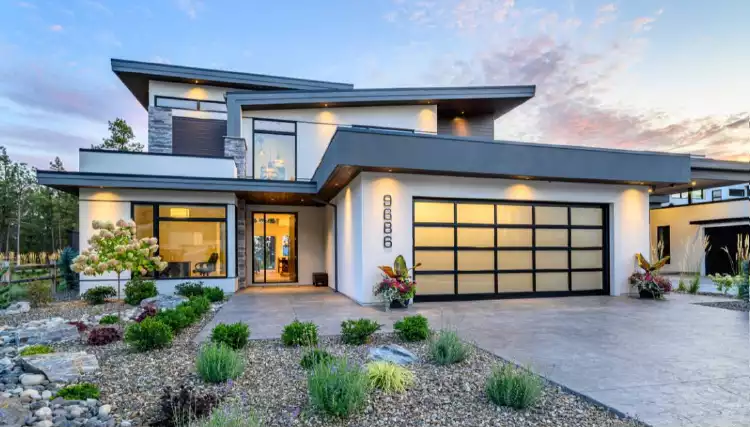
Understanding the Evolving Meaning of Home
A home is far more than a physical structure. It is a personalized environment that reflects identity, supports daily routines, and shapes long term quality of life. In the modern world, the concept of Home has expanded into a sophisticated blend of architecture, interior design, wellness planning, functional flow, energy efficiency, and long term investment strategy. The keyword Home represents a space that balances comfort with practicality, and emotional meaning with structural durability. In the first stages of creating or refining a home, individuals quickly learn that design choices must harmonize with lifestyle needs, financial parameters, and environmental considerations.
Modern homeowners place increasing emphasis on multifunctional spaces, indoor air quality, sustainability, and home technology. These elements work together to create environments that enhance well being while remaining flexible enough to adapt to changing life stages. A deeper look into home structure and design reveals that every detail has a purpose, and thoughtful planning can turn an ordinary space into a long term asset.
The Structural Foundation of a High Quality Home
Choosing Materials That Support Durability
Construction materials influence the lifespan, safety, and overall performance of a home. High quality materials reduce long term maintenance costs, improve energy efficiency, and increase property value.
Elements to consider include:
- Load bearing materials that withstand shifting weather patterns
- Moisture resistant components that reduce mold risk
- Insulation that improves comfort and lowers heating and cooling expenses
- Roofing materials with strong wind and impact resistance
Understanding how different materials perform under various climate conditions helps homeowners make informed decisions before building or renovating.
The Importance of Layout and Structural Planning
Structural planning determines how well a home supports daily functions. A good floor plan enhances movement, reduces clutter, promotes privacy, and improves long term usability.
Key planning principles include:
- Logical traffic flow that prevents overcrowded spaces
- Strategic room placement that aligns with sunlight and temperature patterns
- Separation between active living areas and quiet zones
- Flexible spaces that adapt to work, leisure, and family activities
A well designed layout reduces future renovation needs and increases the home’s long term adaptability.
Interior Design as an Expression of Function and Identity
Balancing Aesthetics With Purpose
Interior design goes far beyond décor. It influences mood, productivity, and comfort. Effective design blends visual appeal with practical support for everyday life.
Core elements of purposeful interior design include:
- Color psychology that enhances emotional well being
- Ergonomic furniture that supports proper posture
- Storage systems that minimize clutter and optimize space
- Lighting plans that improve visibility and atmosphere
When these elements are integrated thoughtfully, interiors become both beautiful and highly functional.
Lighting as a Central Component of Comfort
Light affects energy, focus, sleep cycles, and overall mood. Modern homes use layered lighting to meet different needs throughout the day.
Types of lighting that support a balanced environment:
- Ambient lighting for general illumination
- Task lighting for focused activities
- Accent lighting to highlight architectural details
- Natural light to regulate circadian rhythm
Quality lighting reduces eye strain, supports productivity, and enhances spatial perception.
The Role of Color in Home Environments
Color selection plays a major role in creating atmosphere. Color affects the perception of size, temperature, and emotional tone.
Examples of color influences:
- Warm tones create an inviting, comfortable feel
- Cool tones support calmness and relaxation
- Neutral palettes promote timelessness and flexibility
- Bold accents add character and visual interest
Balanced color palettes help unify the home and create visual harmony.
Home Functionality and Daily Living Efficiency
Creating a Home That Supports Lifestyle Needs
Every household has unique needs, and homes should be intentionally designed to support those routines. Lifestyle focused design ensures that every space serves a meaningful purpose.
Examples of spaces based on lifestyle:
- Dedicated work or study zones
- Fitness or wellness areas
- Crafting, hobby, or creative rooms
- Functional mudrooms that manage daily entry and storage
When a home aligns with its occupants’ lifestyle patterns, time is saved, stress is reduced, and productivity increases.
Kitchen Design as the Heart of the Home
Kitchens often act as the center of daily activity. A well designed kitchen improves meal preparation, storage, and social interaction.
Key elements of an efficient kitchen include:
- Logical work triangle between stove, sink, and refrigerator
- High quality ventilation to maintain air quality
- Durable countertop materials that resist stains and heat
- Storage solutions that maximize vertical and horizontal space
An optimized kitchen supports nutrition and daily convenience.
Storage and Organization as Home Essentials
Clutter disrupts focus and increases stress. Strategic storage solutions make homes more functional and visually appealing.
Effective storage ideas include:
- Built in shelving that maximizes unused space
- Multi purpose furniture with hidden compartments
- Wall mounted systems for tools, equipment, or pantry items
- Closet organizers that improve accessibility
A well organized home enhances daily flow and maintains long term order.
Home as a Wellness Environment
Indoor Air Quality and Its Impact on Health
Air quality significantly affects respiratory health, cognitive function, and overall comfort. Modern homes integrate features that support cleaner air and better circulation.
Ways to improve indoor air quality:
- Proper ventilation systems
- Houseplants that naturally filter air
- Regular cleaning to reduce allergens
- Low VOC paint and materials
Clean air creates a healthier living environment and reduces long term health risks.
Home Temperature and Humidity Regulation
Temperature regulation improves comfort and prevents issues such as mold growth or dry air irritation.
Important factors include:
- High quality insulation
- Smart thermostats for efficient control
- Humidifiers or dehumidifiers depending on climate
- Window treatments that regulate sunlight and heat
Balanced temperature helps maintain physical ease and improves sleep quality.
Creating Restorative Bedrooms
Bedrooms should promote deep, restorative rest. A calm environment supports healthy sleep cycles and rejuvenation.
Features of a restorative bedroom:
- Dark, quiet environment
- Supportive mattress and ergonomic pillows
- Light blocking window treatments
- Calming colors and minimal distractions
Quality sleep is one of the most important foundations of health and productivity.
Technology Integration for a Smarter Home
Smart Home Systems for Convenience and Efficiency
Technological advancements have transformed the way homeowners interact with their living spaces. Smart systems improve comfort, security, and efficiency.
Common smart home upgrades include:
- Automated lighting and temperature control
- Voice activated assistants
- Smart locks and security cameras
- Energy monitoring systems
These systems create convenience and reduce energy waste.
Security Enhancements for Peace of Mind
A secure home increases peace of mind and protects long term investment.
Modern security features include:
- Motion sensing exterior lights
- Smart alarm systems
- High quality door and window sensors
- Secure entry design planning
Thoughtful security design reduces risk and enhances safety.
Outdoor Spaces as Extensions of the Home
Designing Functional Outdoor Living Areas
Outdoor spaces add livable square footage and create areas for relaxation, entertainment, and connection with nature.
Key outdoor elements include:
- Patios or decks for dining and social gatherings
- Gardens that support aesthetics and sustainability
- Outdoor kitchens for expanded cooking space
- Shaded areas to improve comfort in warm climates
These areas enrich the home and increase property value.
Landscaping for Aesthetic and Environmental Benefits
Landscaping impacts curb appeal, energy efficiency, and ecological sustainability.
Benefits include:
- Trees that provide shade and reduce cooling costs
- Native plants that require less maintenance
- Water efficient irrigation systems
- Hardscaping that improves durability and accessibility
Quality landscaping strengthens both beauty and function.
Long Term Value and Investment Strategy
Understanding Home Equity and Property Appreciation
A home is often one of the largest investments a person makes. Understanding how to build and protect equity helps increase long term financial stability.
Ways to support property value:
- Routine maintenance that prevents costly repairs
- Energy efficient upgrades
- High quality materials that resist wear
- Renovations that align with neighborhood standards
Strategic upgrades generate strong returns over time.
Maintenance as a Long Term Responsibility
Regular maintenance keeps a home safe, efficient, and aesthetically pleasing.
Important maintenance tasks:
- Annual HVAC servicing
- Routine roof and gutter inspections
- Foundation monitoring
- Seasonal cleaning and tune ups
Consistent care protects both comfort and financial investment.
FAQ
How can someone maximize natural lighting in their home
Using lighter paint colors, installing mirrors, adding skylights, and choosing sheer window treatments help increase natural light. Keeping windows clean also improves brightness without requiring renovations.
What features make a home energy efficient
High quality insulation, LED lighting, energy efficient appliances, sealed windows, and smart thermostats contribute significantly to energy efficiency. These features reduce utility bills and improve overall comfort.
How do outdoor spaces increase a property’s value
Outdoor living areas offer functional square footage for entertainment and relaxation. Well designed landscaping and patios appeal to future buyers and enhance daily use for the current homeowner.
Why is kitchen layout considered crucial in modern homes
The kitchen serves as a central space for cooking, communication, and family interaction. A well designed layout improves workflow, increases storage capacity, and enhances safety through logical planning.
What is the best way to improve home organization without major renovations
Using vertical storage, installing shelves, adopting multipurpose furniture, and organizing items by frequency of use can elevate functionality without structural changes.
If you want, I can create a companion article focused on interior design, home improvement strategies, or environmentally conscious home planning.
